History
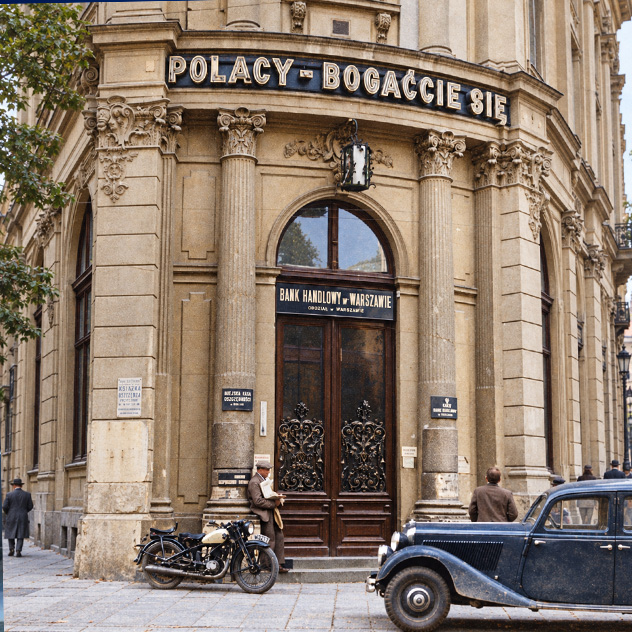
1870-1940
Our Beginnings
July 15, 1870
Bank Handlowy w Warszawie
Bank Handlowy, founded in 1870 by a group of investors led by Leopold Kronenberg, is the oldest commercial bank in Poland and one of the longest continuously operating in Europe. The first chairman of the Bank's Council was Count Józef Zamoyski, who was replaced after two years by Leopold Kronenberg.


1880
Financing of the Warsaw-Vienna Railway
In the 19th century, the bank supported the development of industry on Polish lands.
1898
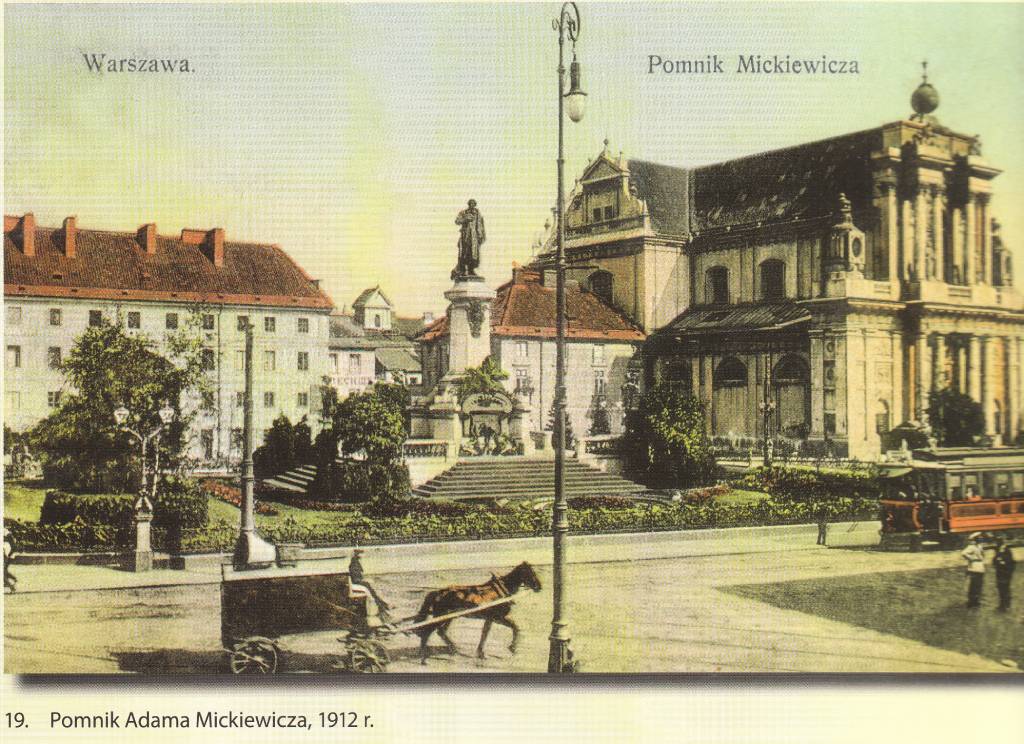
Adam Mickiewicz Monument
Bank Handlowy co-financed the creation of the Adam Mickiewicz monument, unveiled on December 24, 1898.

1901
Leopold Kronenberg spearheaded the construction of the Warsaw Philharmonic.
As an organizer and donor, Bank Handlowy contributed to the opening of the Warsaw Philharmonic.
1914-1945
Interwar Period
1914
Outbreak of War
Before the outbreak of World War I, Bank Handlowy was the largest private bank in the Polish lands and one of the few providing financial services for trade with Europe. It continued its operations during the war.
1920
End of World War I
After the World War I and due to the consequences of the Russian Revolution, Bank Handlowy lost its branches in the territories of the Russian Empire, and Russian securities lost all value. Rising inflation and the loss of a large part of its own capital put the bank in a difficult situation. Plans for rebuilding the country, the economy, and trade required new own funds and foreign loans.
1945
World War II
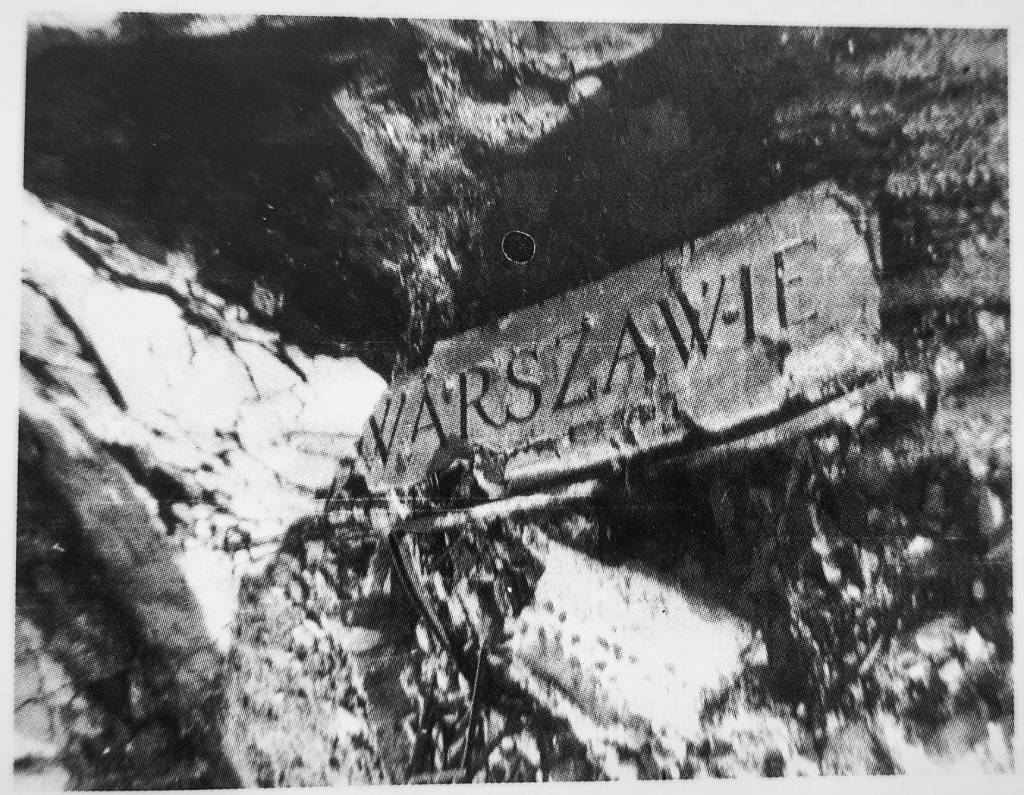
As a result of the war, the bank suffered immense losses. During the Warsaw Uprising in 1944, its headquarters complex was destroyed by fire, and the remaining assets were insufficient to cover its liabilities.
1946-1988
Nationalization of the Bank
1946
Reconstruction
In the post-war period, the Bank retained its status as a joint-stock company, and the determination of its employees enabled the systematic resumption of operations across Poland. Over time, it also became the primary domestic correspondent bank for foreign institutions.
1963
Bank Handlowy as a Foreign Trade Bank
In 1964, the Bank was officially granted a monopoly on servicing Polish foreign trade transactions. This led to the establishment of the country’s largest correspondent banking network, the opening of a branch in London, representative offices in New York, Moscow, Belgrade, Rome, and Berlin, as well as affiliates in Vienna, Luxembourg, and Frankfurt.
1989-1999
Economic Transformations
1989
Turning Point
The year 1989, a pivotal moment in Poland's economic history, opened a new chapter for Bank Handlowy. Although the Bank lost its monopoly on handling foreign settlements, it gained the freedom to offer a full range of universal banking services. The expansion of its branch network and the development of new business lines drove a substantial increase in operational volume, both in Poland and internationally.
1991
Citibank (Poland)
Citibank (Poland) S.A. established its operations in Poland.
1995
Bank Foundation
The Bank established the Leopold Kronenberg Banking Foundation with a mission to preserve Polish cultural heritage and foster education in the areas of finance and entrepreneurship.
1997
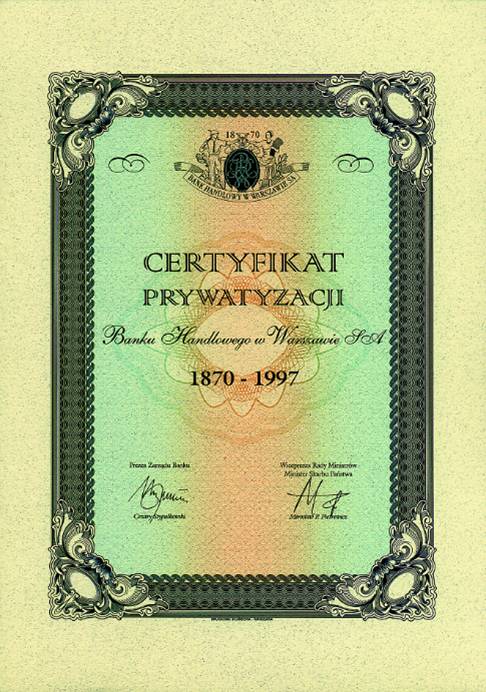
Privatization of Bank Handlowy
After nearly 60 years, Bank Handlowy w Warszawie returned to the Warsaw Stock Exchange.
1997
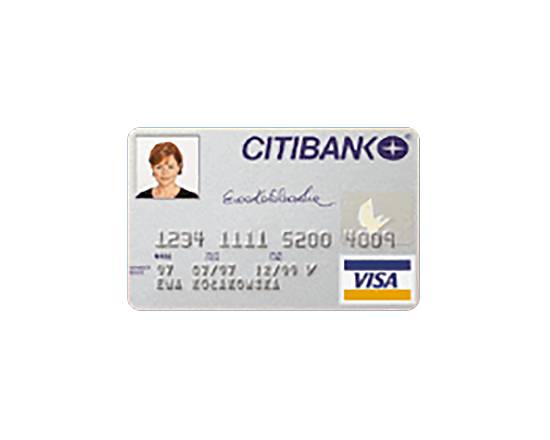
The first credit card in Poland
The bank issued the first globally accepted credit card in Poland.
2000-2026
Bank Handlowy as part of Citigroup
2000
Strategic Milestone: Joining Citigroup
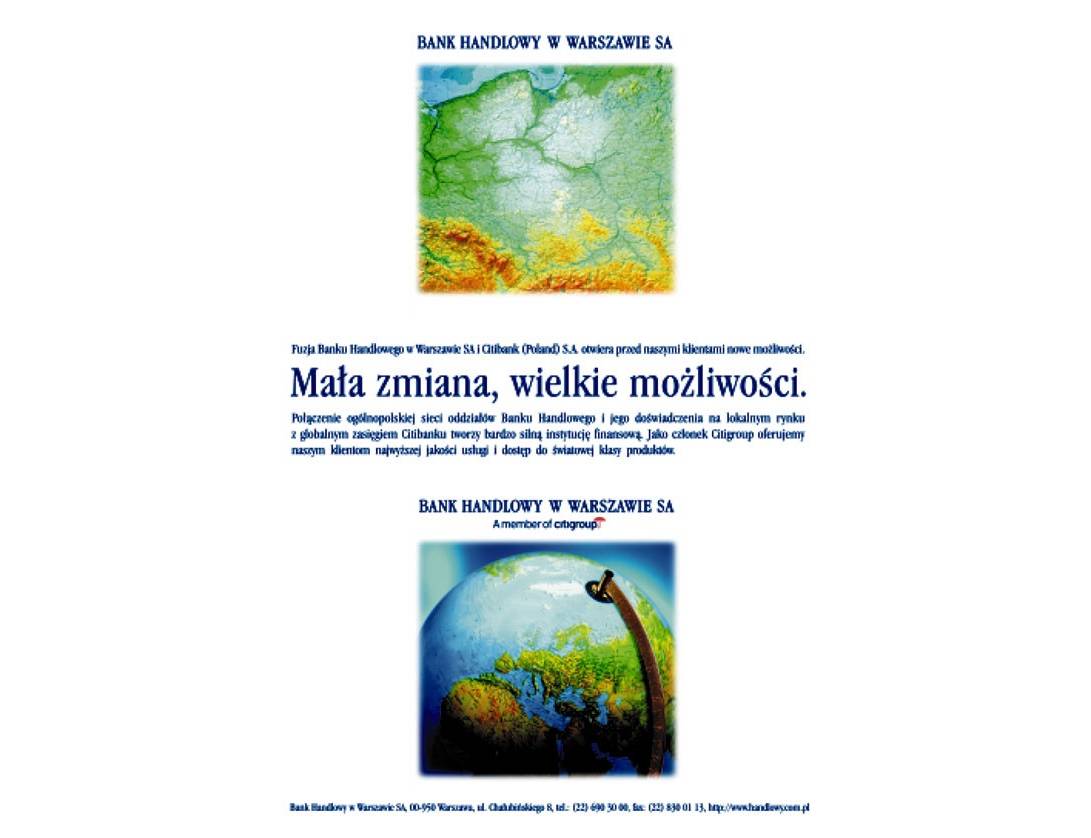
On its 130th anniversary, the Bank opened a new chapter in its history by joining the global Citigroup network. The world's leading financial institution acquired a significant stake in Bank Handlowy, initiating the merger with Citibank (Poland) S.A
2001
Merger with Citigroup
On October 11, 2000, the Banking Supervision Commission approved the merger of Citibank (Poland) S.A. with Bank Handlowy. The merger of the two institutions took place in March 2001.
2001
Brokerage House
Establishment of the Bank Handlowy Brokerage House.

2003
Launch of the Citibank Handlowy brand
In 2003, the bank underwent a major rebranding, adopting the Citibank Handlowy brand, while retaining its historic registered legal name: Bank Handlowy w Warszawie S.A
2007
New Visual Identity:
Citi Handlowy
Bank Handlowy w Warszawie S.A. combines local banking expertise with the global strength of Citi. Under the Citi Handlowy brand, we deliver innovative solutions to institutional clients, connecting them to financial opportunities in over 90 countries worldwide.
2020
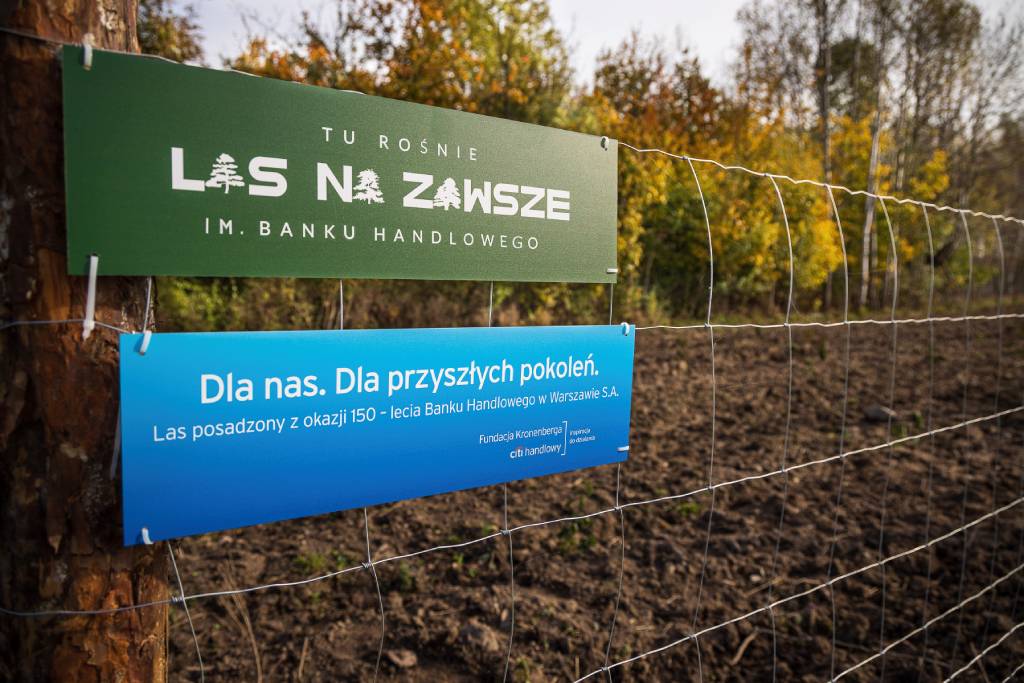
150 years of continuous operation
On its 150th anniversary, the bank initiated the "Forest Forever" project and planted a forest with a guarantee that it would never be cut down.
2024
Record dividends
Over PLN 1.4 billion in dividends paid out in July 2024 is historically the highest dividend from the Bank's regular profit and the highest dividend yield in the banking sector in Poland in 2024.
2025
Citi Handlowy implements the Bank for Global Business strategy
The Bank announced a new strategy, according to which it wants to be the preeminent partner for companies with international needs and aspirations. As the most global bank in Poland, with 155 years of experience on the Polish market, it wants to support Poland's economic growth and development. The sale of the retail banking business was a step towards implementing this strategy.